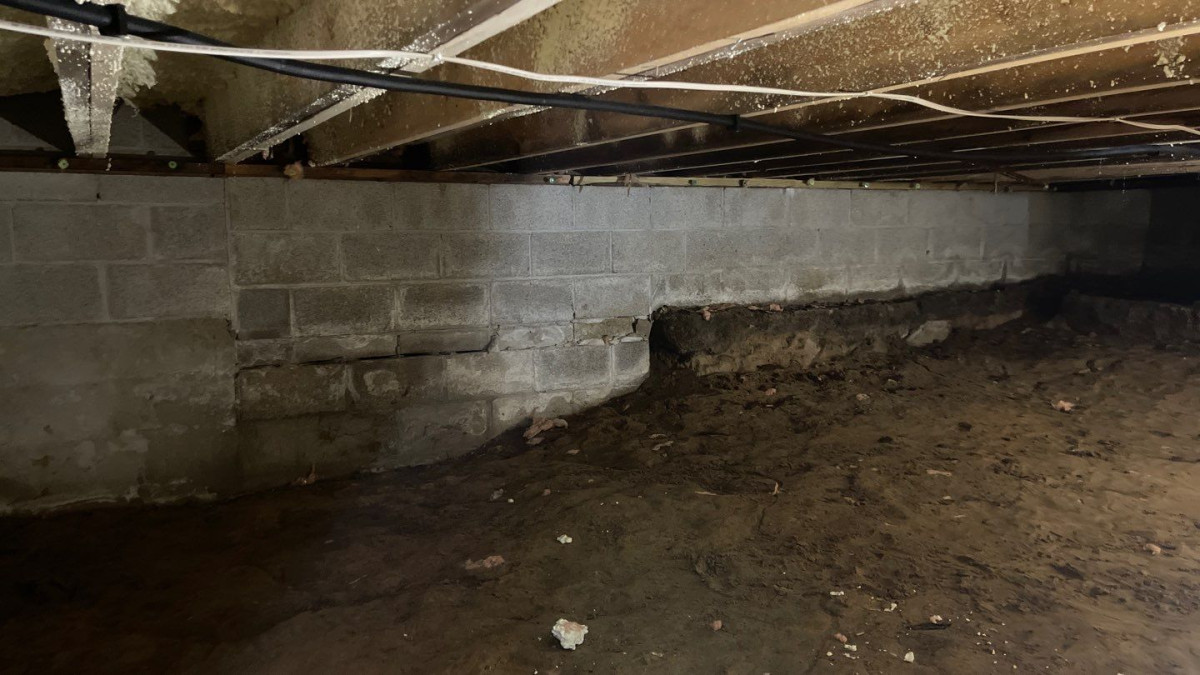
Have you ever considered how crawlspace supports and waterproofing tie into the overall health of your home? Together, they form an integrated system essential for maintaining structural integrity and hindering moisture issues. Waterproofing shields the supports from dampness that can cause damage over time, while sturdy supports enhance waterproofing’s effectiveness by ensuring stability. But how does this dual defense system work in harmony to prevent complications such as mold growth and air quality degradation? Let’s explore this intriguing interplay, and why it’s so important to your home’s wellbeing.
Key Takeaways
- Moisture in crawlspaces can weaken supports, compromising home stability, hence waterproofing is essential.
- Waterproofing prevents mold growth, which can damage supports and cause health risks.
- Proper waterproofing enhances the durability and lifespan of support structures, making them interdependent.
- Regular inspections to ensure waterproofing efficiency prevent negative impacts on supports.
- Crawlspace encapsulation, a waterproofing technique, protects supports from dampness and potential damage.
Understanding the Crawlspace
Beneath your home lies the often overlooked, yet critical, crawlspace. You mightn’t think about it much, but it serves a pivotal role in the overall health and safety of your house.
This hidden area, generally found under first-floor living spaces, is designed to promote air circulation, giving moisture and humidity a way out, thereby preventing dampness and mold growth. It also provides access for maintenance or repair of plumbing and electrical wiring that’s routed through this space.
Not all homes have a crawlspace; it largely depends on the type of foundation your home has. If you’re in a region prone to flooding or with a high water table, you’re more likely to have one. It’s usually about one to three feet high, just enough for someone to crawl in—hence the name.
Keeping your crawlspace dry is essential. It’s not just about avoiding damp smells; moisture in the crawlspace can lead to serious issues like wood rot and structural damage.
That’s where crawlspace waterproofing comes in, a topic we’ll explore into next.
Importance of Crawlspace Supports
Don’t underestimate the role of crawlspace supports in your home.
They’re not only vital for maintaining the structural integrity of your house, but neglecting them could lead to serious risks.
Let’s explore why these supports are so essential, the benefits of properly maintaining them, and the potential hazards of ignored crawlspaces.
Understanding Crawlspace Supports
Imagine walking on a floor that’s uneven or bouncy. It’s disconcerting, isn’t it? That’s where crawlspace supports come into play. They’re the unsung heroes keeping your home steady and level.
Crawlspace supports are fundamentally the skeleton of your home. They carry the weight of your house, preventing sagging and bouncing floors. But it’s not just about comfort. Without proper supports, you’re looking at serious structural damage over time.
Now, let’s explore the two main types of crawlspace supports: concrete blocks and steel jacks.
| Concrete Blocks | Steel Jacks |
|---|---|
| Sturdy and reliable, but can shift over time | Sturdier, and less likely to shift |
| Prone to moisture damage, if not waterproofed | Resistant to moisture, but can rust |
| Cheaper, but may require more maintenance | More expensive, but requires less maintenance |
Benefits of Proper Supports
You mightn’t realize it, but the right crawlspace supports are key to maintaining your home’s integrity.
These supports guarantee that your house stands strong, preventing sagging floors, cracking walls, and other structural issues.
If you’ve got proper supports in place, you’re assuring that your home’s weight is evenly distributed. It’s like a well-balanced scale, each side bearing an equal load. Your home is no different. It needs that balance to stay upright and sturdy.
Get this, well-maintained crawlspace supports also play a huge role in waterproofing your home. They help keep the crawlspace dry, which is essential for preventing moisture-related problems like mold growth and wood rot.
When you’ve got a dry, well-supported crawlspace, you’re reducing the chances of these issues cropping up.
But that’s not all. Good supports can also keep your energy costs down. How? By helping maintain your home’s thermal efficiency.
Without proper support, your house can let in drafts, making it harder to heat or cool, which sends your energy bills soaring.
Risks of Neglected Crawlspaces
Often, homeowners overlook the importance of a well-maintained crawlspace, not realizing the significant risks that neglect can bring. This isn’t just a space under your house; it’s a crucial structural component.
It’s time you understood the gravity of ignoring its upkeep. If your crawlspace isn’t properly supported, you’re inviting a slew of problems. Sagging floors, cracked walls, and misaligned doors can ruin your home’s aesthetics, but more troubling are the health hazards.
Improperly supported crawlspaces can lead to poor air quality due to mold and mildew growth, which can cause respiratory problems.
Waterproofing is another essential aspect that can’t be ignored. A wet crawlspace can lead to wood rot, threatening the structural integrity of your home. Additionally, it’s a welcoming environment for pests.
Termites, rodents, and bugs love damp spaces and can cause significant damage.
In short, neglecting your crawlspace support and waterproofing isn’t just about property damage. It’s about your family’s health and safety.
Investing time and resources in maintaining it now can save you costly repairs and health issues later. So, don’t underestimate the risks of a neglected crawlspace.
Damages Due to Weak Supports
Without strong supports, your crawlspace can suffer from significant damage. Weak supports can’t hold up against the weight of your home, causing the floor above to sag and crack.
It’s not just an aesthetic issue; it’s a big safety risk for you and your family.
You may also notice doors and windows sticking, another sign of structural damage. Walls may even start to bow or show cracks, indicating the degree of stress they’re under.
These aren’t just minor inconveniences; they’re signs of a serious problem that can’t be ignored.
What’s more, weak supports can lead to moisture problems. Without proper support, the ground beneath your home can shift, causing pooling water.
This doesn’t just mean a damp, musty crawlspace. It can also lead to mold growth and attract pests.
Both of these issues can pose major health risks to you and your family.
Introduction to Crawlspace Waterproofing
Now, let’s shift gears and talk about crawlspace waterproofing.
You’ll understand why it’s so essential and various techniques to carry it out effectively.
We’ll also discuss what could happen if you neglect this important aspect of home maintenance.
Importance of Waterproofing Crawlspaces
A staggering number of homeowners overlook the significant role that crawlspace waterproofing plays in maintaining the structural integrity of a house.
You may not realize it, but neglecting this vital task can lead to disastrous consequences.
Let’s explore why waterproofing your crawlspace is so important.
- Prevents Structural Damage: Water can seep into your crawlspace, gradually causing damage to the wooden beams and foundations of your home.
Over time, this can lead to serious structural issues, compromising your home’s stability.
- Reduces Mold and Mildew Growth: A damp crawlspace is a breeding ground for mold and mildew.
These not only damage your home but can also lead to health problems like allergies and respiratory issues.
- Improves Indoor Air Quality: Believe it or not, a significant portion of the air in your home comes from your crawlspace.
A well-waterproofed crawlspace means cleaner, healthier air for you and your family.
Waterproofing Techniques Explained
Having understood the importance of waterproofing your crawlspace, it’s high time we shed some light on the techniques that can help you achieve this.
First off, you’ve got to seal any cracks or holes in the walls and floor. You can use a high-quality sealant for this purpose. It’s a simple DIY job if you’re handy, but if you’re not, you might want to hire a professional.
Next, consider installing a vapor barrier. This is a plastic or foil sheet that goes over the floor and up the walls of the crawlspace, preventing moisture from the ground from getting into the space. It’s a bit more involved than sealing cracks, but it’s definitely doable.
Potential Hazards of Neglect
Without proper attention to crawlspace waterproofing, you’re leaving your home vulnerable to serious damage. Ignoring this critical aspect of home maintenance may seem like saving time and money, but this neglect can have far-reaching consequences.
These potential hazards can deteriorate your home’s structural integrity, jeopardize your health, and chip away at your finances.
- Structural Damage: Prolonged exposure to moisture can weaken the wooden supports in your crawlspace, leading to sagging floors and uneven walls.
This escalating damage can compromise the overall stability of your house and require costly repairs.
- Health Risks: Damp crawlspaces are breeding grounds for mold and mildew.
These fungi not only damage your home but also pose serious health risks. You and your family might experience allergies, respiratory problems, and other health issues due to the poor air quality.
- Financial Burden: Unattended water damage can result in high repair costs.
You might find yourself replacing rotted wood, treating mold infestations, or even rebuilding parts of your home.
Risks of Inadequate Waterproofing
Countless homeowners face a challenging reality: inadequate waterproofing can lead to serious problems. You might shrug it off, believing that a little water in the crawlspace isn’t a big deal. But, don’t be mistaken—water can wreak havoc in ways you can’t even fathom.
Firstly, water intrusion can lead to the growth of mold and mildew. These fungi can’t only damage the structure of your home, but they can also cause health issues. Prolonged exposure to mold can lead to respiratory problems and allergic reactions.
Secondly, insufficient waterproofing can cause structural damage. Water can erode the soil around the foundation, causing it to shift and crack. You could find yourself dealing with expensive repairs, not to mention the hassle of a compromised structure.
Moreover, water can cause electrical issues, creating a fire hazard. Wires and outlets, when exposed to moisture, can short and spark a fire.
Lastly, the value of your home can plummet. No one wants to buy a home with water damage. It’s important to realize that waterproofing isn’t just about preventing water—it’s about protecting your investment.
Interconnection Between Supports and Waterproofing
Understanding the interconnection between supports and waterproofing in your crawlspace is essential in maintaining the integrity of your home.
They’re not separate components you can consider in isolation. Rather, they’re intertwined systems that affect each other’s performance.
- Supports Structure: Your crawlspace supports hold up your home. They need to be strong and stable.
However, if they’re exposed to moisture for a prolonged period, they can weaken. Waterproofing your crawlspace prevents this moisture exposure, preserving the strength of your supports.
- Prevents Mold: Waterproofing helps keep your supports dry, preventing mold growth.
Mold can compromise the integrity of your supports, making them less sturdy over time.
- Enhances Durability: When your crawlspace is properly waterproofed, it protects your supports from water damage, enhancing their durability and lifespan.
Identifying Issues With Supports and Waterproofing
In your home, it’s important to regularly check both the supports and waterproofing in your crawlspace.
If you’re noticing a musty smell or seeing signs of mold and mildew, you’ve got a moisture problem. It’s vital to handle this promptly, as excessive dampness can lead to structural issues, including damage to the supports.
You should also check for wood rot in your crawlspace supports. This can be identified by any changes in the wood’s texture—it might be soft, crumbly, or discolored.
If it’s left unaddressed, you’ll be looking at significant structural problems down the line.
Waterproofing issues can be identified by pooling water or damp spots on the crawlspace floor or walls.
If your waterproofing is failing, you’ll likely see efflorescence—white, chalky residue—on the walls.
In the worst cases, you might even notice water seeping up from the ground.
Professional Solutions for Support and Waterproofing
If you’ve noticed any of the issues mentioned above, don’t panic; professional help is available.
Professional solutions for crawlspace support and waterproofing are thorough and efficient. These solutions are designed to address the root causes of your problems, guaranteeing that your home remains safe and dry.
Here are three key services that professionals provide:
- Crawlspace Stabilization: If your supports are compromised, professionals can stabilize your crawlspace with piers, beams, or other means. They’ll guarantee that your home is structurally sound and ready to withstand the elements.
- Waterproofing: Professionals can install a waterproofing system to prevent future issues. This might involve a sump pump, a drainage system, or a vapor barrier—whatever it takes to keep your crawlspace dry.
- Mold Remediation: If mold has already formed due to excess moisture, professionals can eliminate it, then take steps to prevent it from returning.
Preventative Measures for Crawlspace Maintenance
Maintaining your crawlspace isn’t just about reacting to problems—it’s about preventing them in the first place. A well-maintained crawlspace promotes a healthier, safer home. Let’s take a look at some preventative measures to help you maintain a dry and stable crawlspace.
Firstly, regular inspections are vital. You should check the crawlspace at least twice a year for signs of moisture, pests, or structural issues. If you spot something concerning, it’s best to seek professional help immediately.
Secondly, guarantee adequate ventilation. Proper airflow prevents moisture build-up, which can lead to mold growth and structural damage.
Lastly, consider crawlspace encapsulation. This technique involves covering the crawlspace with a moisture barrier to prevent dampness.
Here’s a brief overview:
| Preventative Measures | Description |
|---|---|
| Regular Inspections | Check at least twice a year |
| Adequate Ventilation | Guarantees proper airflow |
| Crawlspace Encapsulation | Prevents moisture build-up |
So, you see, crawlspace supports and waterproofing truly go hand in hand. They’re essential for your home’s structural integrity and preventing moisture issues. Weak supports and inadequate waterproofing can lead to serious damages. But don’t worry, professionals can identify these problems and provide effective solutions. Remember, maintaining your crawlspace is a preventative measure that’ll save you hassle and money in the long run. It’s all about ensuring your home stays safe and healthy for years to come.