
6 Effective Ways to Improve Employee Satisfaction and Boost Productivity
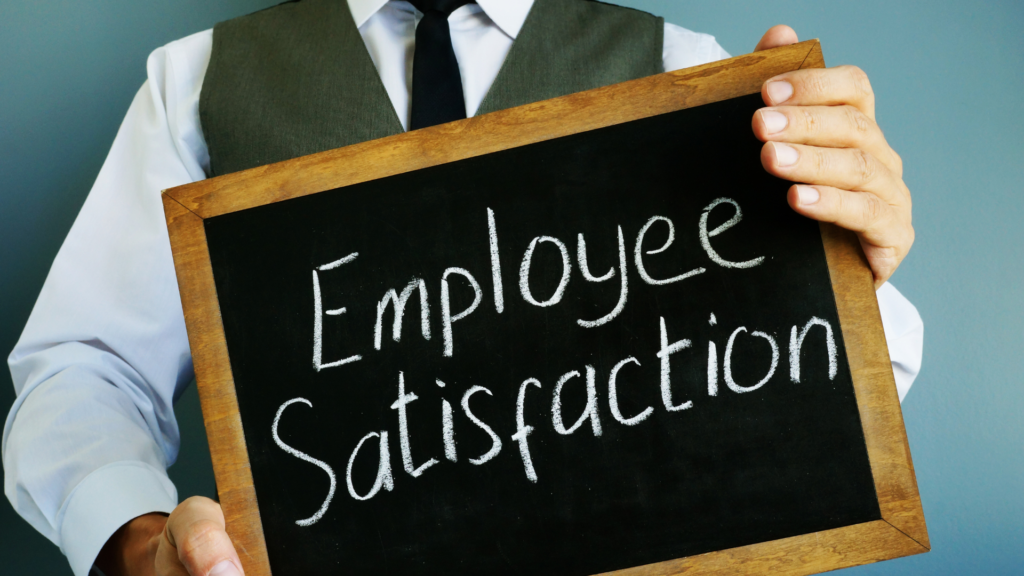
Here’s something that’ll wake you up: your workforce’s contentment isn’t some fluffy HR concept. It’s literally cash in or out of your pocket. We’re talking about $8.8 trillion, yes, trillion with a T, lost globally every year because of disengaged workers. Let that sink in for a moment.
When employee satisfaction slides down your priority list, you’re watching money evaporate through exits, weak output, and chances that just vanish into thin air. Modern professionals expect way more than direct deposits and basic coverage. They’re hunting for workplaces that actually mean something, where someone notices their effort and where growth isn’t just a buzzword in your mission statement.
1. Implement AI-Powered Personalized Recognition Programs
Generic recognition? Your people see right through it. They know when appreciation is real versus when it’s just another corporate ritual you’re checking off.
Move Beyond Generic Employee Appreciation
There’s actual brain science here. When you acknowledge someone’s specific contribution right when it happens, their brain releases dopamine, that feel-good chemical that hardwired positive behavior. This is exactly why those vague “nice work, team” emails fall completely flat. They’re missing the personal element that makes recognition actually land.
Want something that works? Try digital cards. They let your whole team collaborate on personalized messages that colleagues can revisit whenever they need a confidence pick-me-up.
Build a Real-Time Recognition Culture
Picture this: you water a houseplant once every twelve months and expect it to flourish. Ridiculous, right? That’s exactly what annual performance reviews do for recognition.
Forward-thinking companies are switching to peer-to-peer systems where kudos flow naturally between teammates. These platforms capture wins as they’re happening, creating dozens of positive moments throughout the week instead of one awkward annual conversation.
Measure Recognition Impact on Performance Metrics
If you can’t measure something, you can’t make it better. Period. Start tracking how often you recognize people against concrete outcomes, think completion rates, quality benchmarks, project velocity.
Organizations that take a data-driven approach to recognition consistently see better retention and employee engagement strategies that actually stick because they’re rooted in evidence, not hunches or trendy management books.
Recognition builds emotional bonds, sure. But it really sings when you combine it with structural flexibility that respects how humans actually want to work.
2. Design Flexible Work Arrangements That Actually Work
Flexibility stopped being a “nice-to-have” years ago. But here’s the catch: roll it out badly and you’ll create more problems than you solve, think confusion, resentment, and fractured teams.
Create Hybrid Models Based on Employee Data
There are countless ways to improve employee satisfaction through scheduling flexibility, but the smartest approach? Just ask your people what they need. Survey your workforce. Figure out which positions thrive remotely and which genuinely benefit from face-time collaboration. Four-day workweeks are becoming more mainstream, and early adopters are often maintaining, sometimes even boosting, their output despite fewer hours.
Establish Clear Boundaries and Expectations
Right-to-disconnect policies aren’t trendy fluff. They’re survival tools against burnout. Set core hours when everyone’s available for collaboration, then give people autonomy over their deep work time. This clarity helps remote and office-based teammates coordinate effectively without anyone feeling permanently chained to their laptop.
Monitor Productivity Without Micromanaging
Results always beat time tracking. Always. When you measure outcomes instead of hours logged, you’re telling your team something powerful: we trust you. This autonomy doesn’t just feel good, it lets people work during their actual peak performance hours rather than forcing everyone into identical schedules that work for basically nobody.
Flexible arrangements give people breathing room, but they also need visible paths forward to stay engaged for the long haul.
3. Invest in Continuous Learning and AI-Assisted Skill Development
Few things kill motivation faster than career stagnation. When your employees can’t see their next move, they’ll start looking for it somewhere else.
Map Personalized Career Development Pathways
AI-powered tools can pinpoint exactly what each person needs to level up. These systems compare current skills against future role requirements, building individualized roadmaps that feel achievable instead of overwhelming. Micro-credentialing lets people build expertise in bite-sized pieces without committing to multi-year degree programs that may or may not fit their situation.
Provide Access to Modern Learning Platforms
Interactive learning sticks way better than passive video marathons. VR and AR training applications are dropping in price, letting employees practice skills in realistic simulations. AI-driven mentorship matching connects people based on complementary strengths and learning goals, creating relationships that lift both participants.
Link Learning Directly to Career Advancement
Remove the mystery from promotions. Transparent criteria tell employees exactly which skills unlock their next opportunity. Internal mobility programs can increase workplace productivity by keeping institutional knowledge in-house while filling senior positions with proven performers who already get your culture.
Even with solid development opportunities, productivity crates when people are running on empty, which is why wellness support isn’t optional anymore.
4. Optimize Workplace Wellness Through Technology and Human Connection
Burnout isn’t something to celebrate. It’s a productivity destroyer. Companies that treat wellness as infrastructure instead of an afterthought see tangible returns you can actually measure.
Implement Comprehensive Mental Health Support Systems
On-demand mental health resources meet people where they are, not weeks later after bureaucratic hurdles. Modern Employee Assistance Programs extend far beyond traditional counseling, think stress management apps, meditation platforms, burnout prevention systems. The trick is making these resources genuinely accessible and removing any stigma around using them.
Design Ergonomic and Biophilic Physical Spaces
Your physical environment shapes how people feel and perform every single day. Workplace design principles that boost productivity at work include activity-based environments where people choose spaces matching their current task. Wellness rooms and quiet zones aren’t luxuries. They’re essential refuges for introverts and anyone who needs to reset midday.
Foster Social Connection in Distributed Teams
Here’s a telling stat: 52% of employees say ‘a supportive manager’ is ‘very important’ to their workplace satisfaction. Virtual watercooler moments and team activities help remote workers feel connected beyond deadlines.
Quarterly in-person gatherings for distributed teams strengthen bonds that video calls simply can’t replicate fully. Wellness support creates capacity for peak performance, but without transparent leadership communication, trust, and satisfaction, erodes fast.
5. Revolutionize Communication with Transparent Leadership Practices
Hoarding information breeds anxiety and wild speculation. When leaders communicate openly, they build trust that survives tough times.
Establish Two-Way Communication Channels
Regular town halls with live Q&A give employees direct access to decision-makers. Anonymous feedback tools reduce fear of reprisal, encouraging honest input. These employee engagement strategies only work if leaders actually respond to concerns instead of treating sessions like theater performances.
Share Business Metrics and Decision-Making Processes
Financial transparency shows people how their work connects to company performance. When employees understand the logic behind strategic decisions, they’re far more likely to support them, even difficult ones. Regular updates on individual impact help everyone see their contribution to bigger goals.
Train Leaders in Empathetic Communication
Emotional intelligence development for managers creates ripple effects across every interaction. Active listening workshops teach leaders to truly hear concerns instead of immediately jumping to fixes.
Conflict resolution frameworks give managers tools to address tough conversations constructively rather than avoiding them until everything explodes. Transparent communication builds trust, but intuition alone won’t reveal where satisfaction is breaking down, that’s where data becomes your edge.
6. Leverage Data Analytics for Proactive Employee Experience Management
Waiting for exit interviews to learn why people quit is like reading an autopsy report, informative but tragically late. Predictive analytics let you step in before talent heads for the door.
Deploy Predictive Analytics for Retention
AI tools identify flight-risk employees by analyzing patterns in communication, productivity, and engagement. Sentiment analysis from collaboration platforms can flag concerning trends before they become a full-blown crisis. This isn’t surveillance. It’s spotting chances to address problems proactively.
Personalize Employee Benefits Using Data Insights
Flexible benefits platforms with cafeteria-style options let people choose what actually matters to them. Life-stage-based recommendations ensure new parents receive different support than empty nesters. Regular utilization reviews help you adjust offerings based on what people genuinely use rather than industry assumptions.
Create Real-Time Employee Satisfaction Dashboards
Continuous feedback loops replace outdated annual surveys. Department-specific engagement metrics reveal dissatisfaction pockets that company-wide averages might completely mask. You’re not chasing perfection, you’re building actionable insights for quick intervention when patterns emerge.
With analytics guiding your strategy, the next critical piece is establishing clear KPIs to measure whether your initiatives are actually working.
Final Thoughts on Building Satisfaction That Lasts
These six strategies aren’t overnight fixes. They’re foundational investments in your team’s long-term engagement and output. Start with recognition programs that cost almost nothing but deliver outsized returns, then scale toward comprehensive wellness and learning systems as resources permit.
Remember this: satisfied employees don’t just stay longer. They perform better, innovate more freely, and become your most authentic ambassadors. That’s a competitive advantage no marketing budget can replicate.
Your Burning Questions About Employee Satisfaction Answered
What’s the typical ROI timeline for employee satisfaction programs?
Most organizations see measurable retention improvements within 3-6 months, with productivity gains surfacing around the 6-12 month mark. Full cultural transformation typically requires 18-24 months, but early wins build momentum that sustains long-term change.
How can small businesses improve satisfaction on tight budgets?
Recognition costs nothing except intentionality. Flexible scheduling requires only policy shifts, not technology investments. Mentorship programs leverage existing talent. Focus on high-impact, low-cost interventions like transparent communication and growth conversations before investing in expensive platforms.
Why do high-paid employees still leave dissatisfied workplaces?
Money satisfies basic needs but doesn’t create meaning or connection. Employees increasingly prioritize purpose, autonomy, and supportive cultures over compensation alone. Once salaries reach competitive levels, non-monetary factors become primary drivers of retention and engagement.
Information contained on this page is provided by an independent third-party content provider. Frankly and this Site make no warranties or representations in connection therewith. If you are affiliated with this page and would like it removed please contact [email protected]
