
Why Your Dining Table Matters More Than You Think
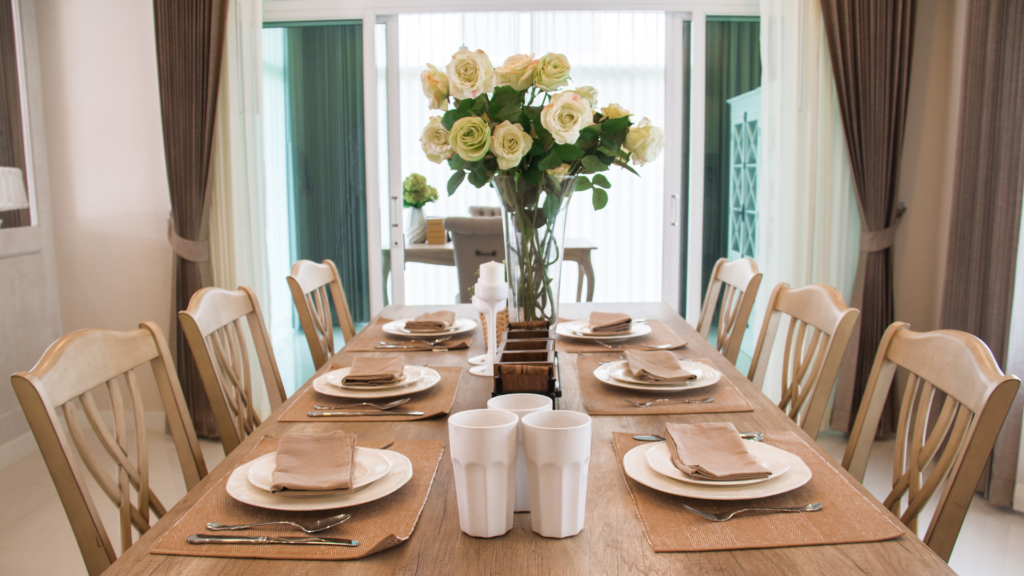
Look around your home right now. Where did you eat your last three meals? If you’re like most people, the answer involves a kitchen counter, your couch, or maybe standing over the sink. The kids? They’ve probably vanished into bedrooms with plates in hand. Meanwhile, everyone’s glued to screens instead of actually connecting.
This fragmented way of eating is quietly dismantling something precious—your family’s cohesion. You’re bleeding money on delivery apps, and your house feels more like a hotel than a home. Here’s the thing: a proper dining table fixes all of it.
Why the Dining Table Remains the Heart of Home Life
The role of the dining table in family life goes way deeper than providing somewhere to park your plate. Think of it as the gravitational center where daily madness transforms into genuine human connection.
Building a Gathering Space That Actually Brings People Together
Families today are splintering apart, often without anyone noticing until it’s too late. Get this: research shows only 38 percent of adult Gen Z Americans eat with family at the dinner table regularly. That’s a jaw-dropping drop from what previous generations experienced.
Without a designated spot for dining, meals devolve into something transactional rather than relational. Your kids absorb conversation skills at that table. They learn manners, discover how to articulate thoughts, and practice listening. These daily exchanges might seem trivial, but they’re actually forging communication habits that shape entire lifetimes.
Turning Ordinary Meals Into Something More
Eating and dining aren’t remotely the same thing. Eating? That’s grabbing food anywhere—leaning against countertops, collapsing onto sofas, hovering over keyboards. Dining demands intention. That’s precisely where having an actual table becomes non-negotiable.
Concrete Advantages Your Dining Table Brings Home
Sure, strengthening relationships and fostering connections sounds great. But your dining table in home also delivers practical, tangible benefits that touch everything from visual appeal to actual dollars and cents.
Boosting Your Home’s Look and Market Appeal
Step into any residence and notice something—the dining area functions as a visual centerpiece. Maximize a compact apartment or plan to host gatherings with a dining table set for 8, the right piece becomes an anchor that pulls your entire layout together.
Ask any realtor worth their commission: properties featuring dedicated dining spaces move faster and fetch better offers. Prospective buyers envision themselves hosting Thanksgiving, celebrating birthdays, and making memories. That emotional connection translates straight to purchase price. Even in flowing open-plan designs, a well-selected table creates zones without necessitating physical walls.
The Physical and Mental Health Perks of Sitting Down to Eat
Settling into a chair at a table fundamentally alters your eating behavior. You naturally slow down. Chew more deliberately. Notice portion sizes. This conscious approach promotes better digestion and supports weight management.
The psychological benefits run equally deep. Evidence indicates that 74 percent of Americans aged 50-plus who maintained regular family dinners report stronger social bonds throughout their lives. That generation grasped something crucial we’re only now relearning—consistent table dining shields against loneliness and mental health struggles.
Money-Saving Benefits You Haven’t Considered
Here’s what catches people off guard: the benefits of a dining table include legitimate financial advantages. When you’ve got an appealing space for eating at home, the temptation to splurge on restaurants or order endless takeout evaporates.
A quality table endures 15 to 30 years with basic maintenance. Calculate the annual cost and you’re looking at remarkable value. Better yet, solid construction or premium materials often gain worth over time. Vintage and mid-century designs frequently become coveted collectibles.
Finding the Right Dining Table for How You Actually Live
Grasping these advantages is step one. Now for the fun part—picking the perfect table that matches your specific space, aesthetic preferences, and everyday routines.
Figuring Out Space and Capacity Needs
Start with accurate measurements of your room. You absolutely need 36 inches of clearance minimum around all edges so chairs can pull out without becoming an obstacle course. Factor in foot traffic patterns if your dining zone connects other areas.
Think about your typical headcount versus occasional entertaining needs. Extendable designs offer adaptability without permanently consuming precious square footage.
Picking Materials That Match Durability With Style
The choosing a dining table process really begins with matching materials to your lifestyle reality. Solid wood delivers classic beauty and accepts refinishing multiple times, making it ideal for families planning decades of use. Oak, walnut, and maple particularly excel at withstanding daily abuse.
Glass tabletops create lightness and contemporary energy while making tight spaces feel larger. Downside? They’re fingerprint magnets requiring constant wiping. Metal and industrial aesthetics shine in modern lofts but might feel harsh in traditional settings.
Shape Considerations and How They Affect Your Room
Rectangular tables seat the most people and work naturally in standard dining rooms. They’re your practical pick for families regularly hosting bigger crowds. Round tables spark better conversation since everyone faces each other equally, though they accommodate fewer guests overall.
Square tables excel in compact spaces or breakfast nooks. They foster intimacy for everyday family meals while occupying less real estate than rectangular options.
Getting the Size Right for Every Occasion
A typical four-person table runs about 36″ by 48″—perfect for small families or couples. Frequent hosts need something closer to 42″ by 72″ or bigger. Don’t make the mistake of underestimating how quickly chairs fill up during holidays or spontaneous dinner parties.
Your Dining Table Questions Answered
How do I nail the right table size for my space?
Measure your room dimensions, then subtract six feet from both length and width for adequate clearance. This provides three feet on all sides for comfortable seating and movement.
Can a table genuinely strengthen family dynamics?
Without question. Families sharing meals five or more times weekly demonstrate stronger communication, children show improved academic results, and behavioral problems drop significantly compared to families rarely eating together.
What material survives families with small children best?
Solid hardwoods like oak or maple with protective sealing offer optimal durability and repairability. They’ll weather spills, scratches, and general kid-induced mayhem while staying attractive for decades.
Should I shop for tables online or visit stores?
Ideally, examine tables physically to evaluate construction quality, finish texture, and seating comfort. That said, many trustworthy retailers now provide generous 60 to 90-day return windows that reduce online purchasing risk considerably.
What’s a reasonable budget for something that’ll last?
Expect to invest $800 to $2,500 for solid construction that serves you 15-plus years. That breaks down to approximately $40 to $125 yearly—among the smartest furniture purchases you’ll ever make.
How high should lighting hang above the table?
Standard guidance suggests 30 to 36 inches above the table surface. With standard eight-foot ceilings, stick toward the lower end. Taller ceilings permit fixtures up to 36 inches above while maintaining proper visual balance.
Making Your Dining Table Decision Count
The dining table’s importance in contemporary homes deserves serious consideration. This is where families reconnect after hectic days. Where children absorb social skills and etiquette. Where you’ll build countless memories over shared food and conversation.
Beyond emotional value, a quality table adds concrete worth to your property while cutting expensive restaurant habits. Whether you’re buying your first table or upgrading from that inherited piece that never quite fit, prioritize lasting construction and timeless design over whatever’s trending this season.
Your dining table represents more than furniture—it’s an investment in how your family lives together and the memories you’ll create. Choose thoughtfully, and it’ll serve you beautifully for generations.
Information contained on this page is provided by an independent third-party content provider. XPRMedia and this Site make no warranties or representations in connection therewith. If you are affiliated with this page and would like it removed please contact [email protected]
