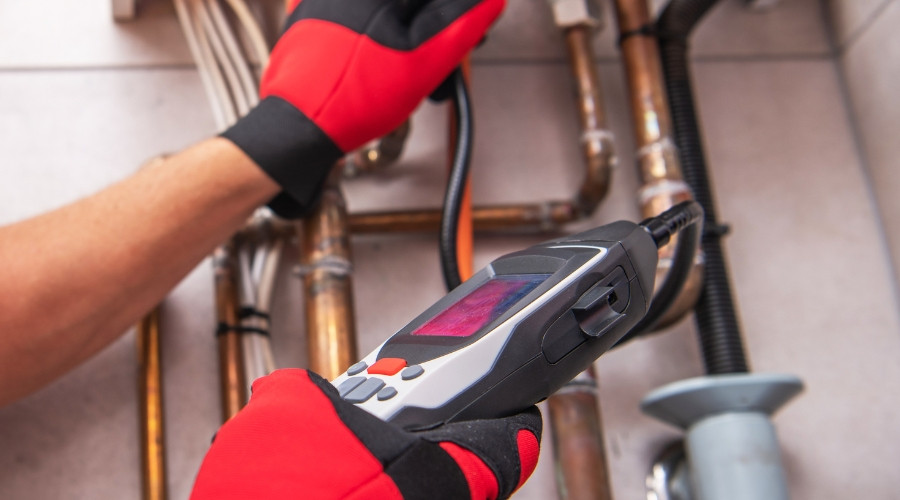
Stay Safe From Dangerous Gas Leaks by Identifying Them Quickly
Natural gas is a convenient fuel for heating, cooking, and hot water, but a damaged gas line requiring gas line repairs can create a serious safety hazard. The sooner a leak is noticed, the faster professionals can step in to correct the problem. This guide outlines the most important signs of a gas leak, including unusual smells or sounds, unexplained changes in gas bills, and physical gas leak symptoms affecting people and pets.
Strange Smells or Sounds
 Many gas leaks first announce themselves through the senses. Utilities add an odorant to natural gas so that problems are easier to detect. The smell is often described as similar to sulfur or rotten eggs. If that scent lingers near a gas appliance, meter, or exposed gas line, it can be a key warning sign.
Unusual sounds are another clue. Gas under pressure escaping through even a tiny opening can create:
- A soft hissing noise near pipes, valves, or appliance connections
- A whistling sound around flexible connectors or damaged fittings
These noises may be faint or intermittent, so they are often easiest to notice in a quiet room. Any combination of sulfur-like odor and hissing around natural gas equipment should be treated with caution, and the area should be left while emergency assistance is contacted. A licensed technician can then inspect the system and complete any required gas leak repair.
Higher Gas Bill
 Not every gas leak produces a strong smell or obvious sound, especially if it occurs outdoors or in a partially ventilated space. In those cases, the monthly gas bill may provide the first hint that something is wrong. If the statement suddenly climbs despite similar patterns of heating and appliance use, additional gas may be leaving the system through a leak.
Tracking bills from one month to the next can make these patterns easier to spot. Comparing current use and charges to the same season in prior years helps show whether colder weather alone explains the increase. When costs rise sharply or stay elevated without a clear reason, a professional inspection of the natural gas system is a wise step. Early gas line repair not only improves safety but can also bring utility expenses back in line.
Physical Symptoms
A gas leak can affect the health of people and animals long before damage to equipment becomes visible. As leaking gas displaces oxygen in indoor air, household members may begin to experience gas leak symptoms even before an odor is obvious. In people, these may include:
- Eye, nose, or throat irritation
- Headaches, nausea, or a general feeling of illness
- Unusual fatigue, confusion, or dizziness
- Shortness of breath or other breathing difficulties
Pets are often sensitive to poor air quality as well. Warning signs in animals can include:
- Loss of appetite or sudden refusal to eat
- Vomiting or unusual drooling
- Weakness, lethargy, or difficulty walking
- Labored or noisy breathing
If several people or pets in the same home exhibit unexplained symptoms at the same time, particularly near natural gas appliances, a leak should be suspected and the building should be vacated until first responders confirm that it is safe to return.
About Maxwell-White Plumbing
Maxwell-White Plumbing offers top-rated plumbing services in West Salem and the surrounding areas, provided by trusted technicians. With prompt and professional service and flat-rate pricing, customer satisfaction is guaranteed. Call them today for gas line repairs in West Salem, WI.