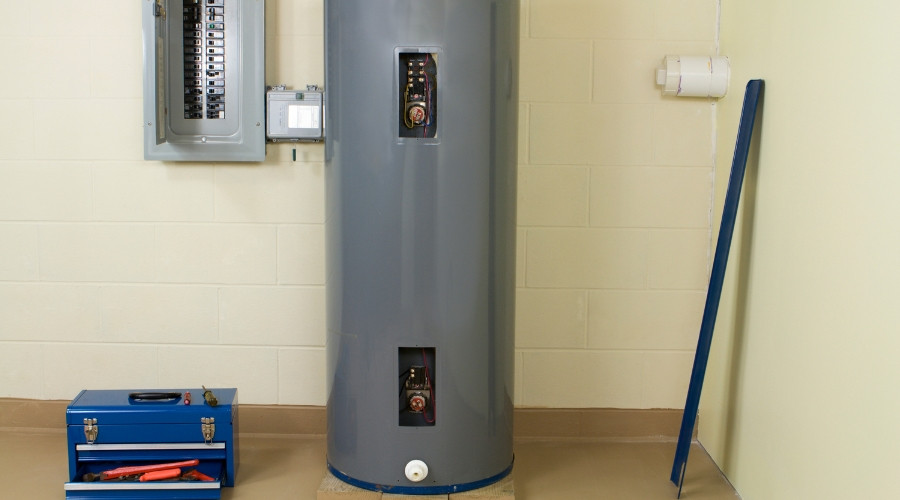
Don't Get Stuck Without Hot Water This Winter
Hot water is central to everyday routines, from showers and laundry to dishwashing and cleaning. When a water heater begins to fail, the signs are often subtle at first, then harder to ignore. Recognizing common indicators early makes planning a water heater replacement easier and helps avoid sudden loss of hot water or unexpected damage. This guide discusses common warning signs to replace a water heater, including temperature issues, leaks or corrosion, and old age or frequent repairs.
Temperature Issues
One of the most obvious signals that a water heater is struggling and may need to be replaced is the water temperature. Water that’s hot one moment and lukewarm the next can mean the heating elements or burner are no longer operating as they should. If faucets deliver only cool or cold water despite the unit being on, internal components may have failed.
Running out of hot water much faster than before is another red flag. Traditional storage tanks are sized to supply a certain volume; when sediment builds up on the bottom, effective capacity shrinks, and water heating becomes less efficient. A tank that once covered morning showers and a load of laundry may suddenly fall short. While some issues can be corrected with repairs or flushing, repeated temperature problems often point to a system nearing the end of its useful life, where a new water heater installation becomes the more reliable solution.
Leaks or Corrosion
 Water and steel are not a friendly long-term combination. Over time, internal components begin to corrode, and evidence of water heater corrosion may appear. Discolored, rusty, or cloudy hot water, or water with a metallic odor or taste, can indicate a corroded water heater. This suggests that protective anode rods are exhausted, and the tank wall itself is starting to break down.
Visible leaks are even more urgent. A leaking water heater with moisture on the outer shell, drips from seams, or pooling water around the base is a strong indicator that the tank has been compromised. While fittings and valves can sometimes be tightened or replaced, many leaks originate from corrosion inside the tank and cannot be permanently repaired. In that situation, water heater replacement is the safest course of action, both to restore dependable water heating and to prevent ongoing damage to floors or nearby belongings.
Old Age or Frequent Repairs
 Age is another important factor. Most standard storage water heaters have a limited service life. Once a unit passes the ten-year mark, the likelihood of problems grows. An older tank that begins showing signs of water heater leak, noisy operation, or temperature irregularities is typically close to the end of its lifespan, even if it has not yet failed completely.
Frequent breakdowns are a similar clue. If a heater requires service every year or two for issues such as thermostats, elements, pilot problems, or relief valves, the cumulative cost of repairs can quickly approach the price of a new unit. Continuing to patch an unreliable system can also lead to higher energy use and more inconvenience. In many cases, investing in a modern, efficient water heater provides better long-term value and peace of mind than keeping an aging, problem-prone model in service.
About Lion’s Plumbing and Heating
Lion’s Plumbing and Heating provides top-rated plumbing and heating service in Bowie and the surrounding areas, backed by the professionalism of their expert, trusted plumbers. Call them today, and you’ll get a live answer, same-day service, and the latest technology when you schedule water heater replacement services in Bowie, MD.