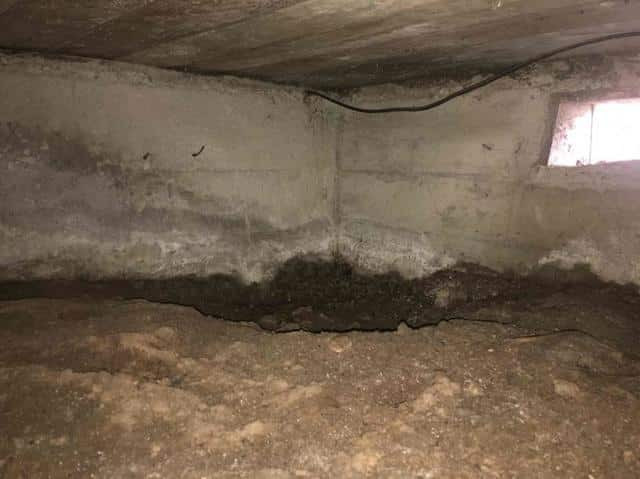
You’ve probably heard about the dangers of black mold, but do you know why it’s so commonly found in crawlspaces? Factors like high humidity, poor ventilation, and organic materials make this area a breeding ground for Stachybotrys chartarum. It’s not just about property damage; your health could be at risk, too. Now, imagine if you could prevent such a scenario. Wouldn’t you want to find out how?
Key Takeaways
- Black mold in crawlspaces can be caused by high humidity, poor ventilation, organic materials, and neglected maintenance such as plumbing leaks.
- Regular crawlspace inspections can help identify early signs of black mold and prevent severe infestations.
- To prevent black mold, control humidity levels using dehumidifiers, ensure proper ventilation, and address any leaks promptly.
- Insulating crawlspaces correctly and maintaining cleanliness can further minimize the potential for mold growth.
- If black mold is detected, immediate remediation is necessary with DIY solutions for small infestations or professional help for larger ones.
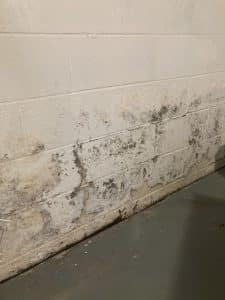 Understanding Black Mold
Like an uninvited guest, black mold can stealthily invade your crawlspace, creating a multitude of problems.
It’s more than just an eyesore; it’s a silent enemy that poses serious health risks. You’ve probably heard of it, but do you really understand what you’re up against?
Firstly, black mold isn’t always black. It can appear in shades of green, grey, or even white. It’s the species Stachybotrys chartarum, known for its toxic effects.
Despite its color variations, you’ll know it by its musty odor and slimy texture.
Secondly, black mold releases microscopic spores into the air, which you can unknowingly inhale.
These spores carry toxins, mycotoxins to be exact, that can cause health issues like allergies, asthma, and even more serious complications if you’re exposed long enough.
Ideal Conditions for Mold Growth
Let’s gear up to understand what makes your crawlspace the perfect breeding ground for mold.
It’s important to know how factors like humidity can encourage mold growth.
We’ll also explore why poor ventilation is detrimental and how it creates an environment mold loves.
Humidity and Mold Growth
If you’ve ever dealt with mold, you know it doesn’t need much to thrive: just a warm, humid environment.
But why does humidity encourage mold growth so much?
Humidity is the amount of moisture in the air. When it’s high, there’s a lot of moisture available. Mold spores, the tiny seeds that mold plants send out, love moisture. They latch onto damp surfaces and start to grow. Mold can grow on almost any material, but it particularly enjoys dark, damp spaces like your crawlspace.
The warmth that often accompanies humidity also plays a role in mold growth. Mold favors temperatures between 60 and 80 degrees Fahrenheit, which are common in many crawlspaces. When these conditions combine, it creates a perfect storm for mold growth.
To prevent mold, it’s crucial to control the humidity in your crawlspace. Keep it below 50% if possible. This can be achieved by using a dehumidifier, or by sealing off your crawlspace to keep moisture out.
But remember, it’s not just about controlling humidity. Keeping your crawlspace clean and free of debris can also help to deter mold growth.
Poor Ventilation Consequences
While managing humidity in your crawlspace is an important step in preventing mold growth, it’s just as important to guarantee proper ventilation. Poor ventilation can create an ideal environment for mold to thrive, even if you’ve taken steps to control humidity levels.
When your crawlspace isn’t well-ventilated, it can become a breeding ground for mold. This happens because poor ventilation prevents the circulation of air. Without circulation, moisture can’t evaporate as quickly, leading to damp conditions that mold loves.
It’s not just the moisture, though. Poor ventilation also means a lack of fresh air, which can cause a buildup of organic material. This organic material can feed mold and help it grow. If you’ve got poor ventilation in your crawlspace, you’re fundamentally setting up a buffet for mold.
Don’t make it easy for mold to take hold in your crawlspace. Make sure your crawlspace is well-ventilated to prevent the growth of black mold.
A well-ventilated crawlspace can help control humidity, prevent the buildup of organic material, and stop mold growth before it starts. It’s definitely worth the effort to breathe easy in your own home.
Health Risks Associated With Black Mold
You mightn’t be aware, but black mold can pose serious health risks.
From respiratory issues to neurological effects, you could be feeling the impact without realizing the source.
Even your skin could react negatively to this silent invader.
Respiratory Issues From Mold
Breathe in deeply, and you’re likely to fill your lungs with clean, fresh air.
But if you’re living in a home with black mold, that mightn’t be the case. Unbeknownst to you, each breath could be full of microscopic mold spores, potentially leading to serious respiratory issues.
While temporary exposure to black mold might cause minor symptoms like a runny nose or a cough, long-term exposure can lead to more severe issues.
You might start experiencing chronic coughing, wheezing, or even develop asthma. In fact, studies have shown that children exposed to black mold have a higher risk of developing asthma.
Here’s what you need to know:
- Chronic coughing and wheezing: These are signs of long-term mold exposure. Don’t ignore them.
- Asthma development: If you or your kids start having trouble breathing, seek immediate medical attention.
- Allergic reactions: Some people are allergic to mold. Symptoms can include sneezing, red eyes, and skin rash.
While it’s important to be aware of these risks, remember that prevention is key.
Keep your home dry and well-ventilated to prevent black mold from taking root in the first place.
Mold and Neurological Effects
Surprisingly, the dangers of black mold extend beyond your lungs. You may be shocked to learn that black mold can also wreak havoc on your neurological system. Researchers have discovered a close link between black mold exposure and a range of neurological symptoms.
When you breathe in mold spores, they can enter your bloodstream and travel to your brain. Once there, they can trigger inflammation and cellular damage. This can lead to a myriad of neurological issues, including dizziness, headaches, memory loss, and difficulty concentrating.
The longer you’re exposed, the more severe these symptoms can become. Some people have even reported severe mood swings and changes in personality after prolonged exposure.
If you’ve been feeling off and can’t seem to pinpoint why, don’t overlook the possibility of mold exposure. It’s not just an annoyance or a threat to your home’s infrastructure. It’s a serious health hazard that can affect your brain and the way it functions.
Black Mold Skin Reactions
Exposure to black mold doesn’t just affect your neurological system – it can also have significant effects on your skin. The mycotoxins produced by this toxic mold can cause a range of skin conditions that aren’t only uncomfortable but can be alarming if you’re unaware of their cause.
- Dermatitis: One of the most common skin reactions to black mold is dermatitis. You might notice redness, itching, or a rash. In severe cases, blisters may develop.
- Mycosis: This is a fungal infection that can occur when black mold spores get under your skin. Symptoms can include persistent itching, discoloration, and sometimes pain.
- Allergic reactions: If you’re allergic to mold, your reaction might be more severe. This could involve hives, swelling, and intense itching.
In all these scenarios, it’s essential to seek medical advice.
Remember, your skin is your body’s largest organ and a fundamental barrier against infections. If black mold is the culprit, you’ll also need to address the source of the problem in your crawlspace.
Prevention is always better than cure, so make sure your living spaces are free from dampness and mold.
Identifying Black Mold in Crawlspaces
Before starting any home improvement projects, it’s important to know what you’re dealing with, especially when it comes to black mold in crawlspaces. Identifying black mold isn’t a guessing game. It’s vital to understand its typical characteristics to make an accurate diagnosis.
Black mold, scientifically known as Stachybotrys chartarum, has a distinctive appearance. It’s usually dark green or black and has a slimy texture when wet. But when it dries, it turns powdery. Its musty smell is another giveaway.
You’ll often find black mold in damp, humid areas where it can feed on organic materials like wood or cellulose-insulated pipes. Its spores are microscopic, so they can easily spread – making it more challenging to control.
To help you recognize black mold, here’s a table highlighting its key features:
| Characteristic | Description |
|---|---|
| Color | Dark green or black |
| Texture | Slimy when wet, powdery when dry |
| Smell | Musty |
Common Causes of Mold in Crawlspaces
Understanding the common causes of mold in crawlspaces is crucial for preventing a serious mold problem. Mold thrives in dark, moist environments, and your crawlspace often provides the perfect conditions.
Let’s explore some of the most common causes:
- Moisture: One of the main culprits for mold growth is moisture. This could be due to plumbing leaks, groundwater seeping in, or even condensation from your air conditioning system. The more damp the area, the more likely mold will grow.
- Poor Ventilation: Crawlspaces often have poor ventilation, which can cause humidity levels to rise. When the air can’t circulate, it becomes stagnant and humid, creating an ideal breeding ground for mold.
- Insufficient Insulation: If your crawlspace isn’t properly insulated, it can make the area prone to temperature changes, leading to condensation and, eventually, mold growth.
Recognizing these causes is the first step towards taking action.
By understanding what conditions encourage mold growth, you’re better equipped to tackle the problem head-on.
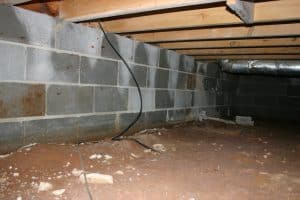 Preventive Measures for Black Mold
While it’s vital to recognize the causes of mold growth in your crawlspace, it’s even more important to take preventive measures against black mold. You’re probably asking, “What can I do to prevent black mold?” Well, there are several strategies you can adopt.
First, you’ve got to control humidity levels. This is significant because high humidity creates a conducive environment for mold growth. Invest in a good dehumidifier for your crawlspace. It’ll help maintain lower humidity levels, making it unfavorable for mold to thrive.
Next, guarantee efficient ventilation in your crawlspace. Ventilation promotes air circulation, and this helps to dry out excess moisture, a key culprit in mold growth.
Third, address any water leaks promptly. Leaks can create damp conditions, a breeding ground for black mold. Regularly inspect your pipes, water tanks, and gutters for leaks and fix them immediately.
Lastly, consider insulating your crawlspace. Insulation can help prevent condensation, another major cause of mold growth. By denying mold its preferred conditions, you effectively keep it at bay.
Remediation Options for Mold Infestation
Despite your best efforts to prevent black mold in your crawlspace, you might still face an infestation. Don’t panic; there are several remediation options you can consider to regain control of your crawlspace.
- DIY Mold Removal: If the infestation is small and you’re keen on tackling it yourself, you can use a mixture of dish soap and water to scrub off the mold.
Always wear protective gear, such as gloves and a mask, to shield yourself from potential health hazards.
- Professional Mold Remediation Services: If the mold infestation is extensive, it’s best to hire professionals.
They’ve the expertise and equipment to effectively eliminate the mold and prevent future growth.
Remember, though it might seem costly, it’s a worthwhile investment to secure your home’s structural integrity and your family’s health.
- Preventive Maintenance: After the mold removal, make sure you implement preventive measures to stop future infestations.
This includes regular crawlspace inspections, ensuring proper ventilation, and controlling humidity levels.
You’re in control of preventing black mold in your crawlspace. Keep humidity levels in check, guarantee your space is well-ventilated, and regularly inspect for leaks. Cleanliness is key, and immediate action on any moisture issues is crucial. By taking these preventative measures, you can protect your property and health from the risks associated with black mold. If an infestation does occur, remember there are remediation options available to you.