Have you considered the potential benefits of crawlspace encapsulation? This process not only enhances your home’s air quality by sealing off your crawlspace from moisture and pests, but it also bolsters energy efficiency. By installing a waterproof vapor barrier, you’re preventing the growth of mold and reducing allergens. Additionally, your home’s HVAC system operates more efficiently due to minimized energy loss through the crawlspace. You’ll notice a drop in your utility bills and a more consistent indoor climate. Intriguing, isn’t it? Let’s explore these benefits further to understand why encapsulation could be a smart move for your home.
Key Takeaways
- Crawlspace encapsulation seals off the area under a home, preventing moisture and pest intrusion, which enhances indoor air quality.
- It reduces mold and mildew proliferation, which can trigger allergies or asthma, thus promoting a healthier living environment.
- Encapsulation prevents 15-30% of home energy loss through crawlspaces, improving overall energy efficiency and reducing utility bills.
- It enhances HVAC system performance by blocking moisture and air leaks, potentially extending the system’s lifespan and reducing replacement costs.
- The insulating properties of encapsulation barriers ensure thermal protection, contributing to a consistent indoor climate for enhanced comfort.
 Understanding Crawlspace Encapsulation
Often, homeowners overlook the importance of crawlspace encapsulation. You mightn’t realize it, but this process can greatly improve your home’s air quality and energy efficiency.
You’re probably asking, “What is crawlspace encapsulation?” It’s a method that seals your crawlspace from outside elements, creating a controlled environment underneath your home.
Let’s break it down. Your crawlspace is fundamentally the gap between your home’s bottom and the ground. In many homes, it’s left open, exposing your house to moisture, pests, and cold air.
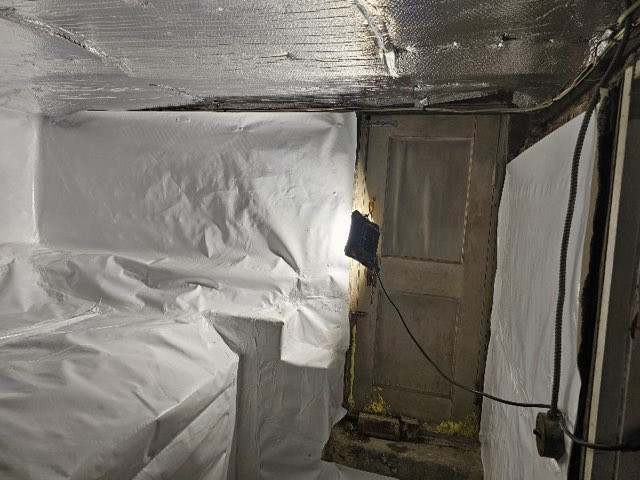
Encapsulation involves covering this area with a durable, waterproof vapor barrier and sealing off vents and doors. This keeps out moisture, reduces the risk of pests, and helps maintain a consistent temperature.
You might think encapsulation is an unnecessary expense, but consider this: moisture in your home can lead to mold and mildew, which affect air quality and can cause health issues.
Pests can cause structural damage. And, a poorly insulated home wastes energy, leading to higher utility bills.
The Science Behind Crawlspace Encapsulation
Let’s get into the science behind crawlspace encapsulation.
You’ll see how this process can drastically improve your home’s air quality and energy efficiency.
Understanding these benefits will show you why this method is such a game changer for homeowners.
Crawlspace Encapsulation Explained
In the world of home improvement, crawlspace encapsulation may seem like a complex concept. But don’t worry, it’s simpler than you think.
So, what’s it? Fundamentally, crawlspace encapsulation is the process of sealing your home’s crawlspace to prevent moisture and air leakage.
Here’s how it works: a high-quality, durable vapor barrier is installed on the floors and walls of your crawlspace. This barrier is designed to block moisture from seeping into your home.
This vapor barrier, combined with a dehumidifier, controls the humidity levels in your crawlspace, keeping it dry and preventing the growth of mold and mildew.
The next step involves insulating the crawlspace. The walls and ceiling get a layer of insulation, which prevents heat loss or gain from the outside.
This keeps your home more energy-efficient as it reduces the need for your heating and cooling systems to work overtime.
Benefits to Air Quality
You might be wondering how all of this affects the air you breathe in your home. Well, crawlspace encapsulation does wonders for improving the air quality in your home.
When left untreated, crawlspaces can become a breeding ground for mold, mildew, and pests. They’re damp, dark, and often neglected, making them perfect environments for these airborne pollutants.
But when you seal your crawlspace, you’re blocking out these potential problems. No more dampness means no more mold or mildew. Plus, pests won’t find your crawlspace so inviting anymore.
When you encapsulate your crawlspace, you’re effectively putting a barrier between your home and these harmful elements.
So, what’s the payoff? Well, you’ll notice a significant improvement in the air quality inside your home. You won’t have to worry about mold spores floating around or pests leaving behind allergens.
This is a great relief for anyone, especially those with allergies or asthma. You’ll breathe easier, sleep better, and feel healthier overall.
In the end, encapsulating your crawlspace is an investment in your home and your health. It’s about more than just saving energy or adding value to your home.
It’s about creating a safer, healthier environment for you and your family.
Energy Efficiency Improvements
Believe it or not, between 15 and 30 percent of your home’s total energy loss can happen right under your feet, in the crawlspace. That’s a significant amount of wasted energy that many homeowners don’t even realize is occurring.
The good news is that crawlspace encapsulation can dramatically reduce this energy loss and improve your home’s overall energy efficiency. By addressing the crawlspace, you’re tackling one of the biggest hidden sources of inefficiency in the home.
Encapsulation works by sealing the crawlspace with a heavy-duty polyethylene vapor barrier. This barrier prevents moisture from seeping in, which helps stop the growth of mold and mildew while creating a more controlled environment beneath your home.
However, the benefits go beyond air quality. When moisture enters an unsealed crawlspace, it forces your heating and cooling systems to work harder to maintain comfortable indoor temperatures. This increased workload leads to higher energy use and higher utility bills.
Encapsulation puts an end to this problem. By blocking moisture and air leaks, it allows your HVAC system to operate more efficiently, reducing energy consumption and lowering monthly costs.
Additionally, the insulating properties of encapsulation materials provide extra thermal protection. This added layer helps reduce heat loss during the winter and limits heat gain in the summer, keeping your home more comfortable year-round.
Crawlspace Encapsulation and Moisture Control
Roughly 50% of the air in your home comes up from your crawlspace, making crawlspace encapsulation and moisture control incredibly important.
If your crawlspace isn’t properly encapsulated, it can be a breeding ground for moisture, leading to mold growth, wood rot, and poor indoor air quality.
Encapsulation is the process of sealing your crawlspace with a vapor barrier to prevent moisture intrusion.
Let’s break down how crawlspace encapsulation helps control moisture:
- Seals Off the Crawlspace: Encapsulation stops outside water from seeping into your crawlspace. It’s like putting a protective shell around your home’s foundation.
- Controls Humidity: By sealing off your crawlspace, you’re also controlling the humidity level. This prevents moisture build-up, reducing the risk of mold and mildew.
- Prevents Structural Damage: Moisture is a home’s worst enemy. Over time, it can cause wood to rot and metal to rust, compromising the structural integrity of your home.
In essence, by controlling moisture through crawlspace encapsulation, you’re safeguarding your home’s structural integrity, improving your indoor air quality, and enhancing your family’s health.
How Encapsulation Improves Air Quality
The process of crawlspace encapsulation has a direct impact on the air quality within your home. It’s a surefire way to prevent mold growth and reduce dust mites by controlling moisture levels.
Without encapsulation, your crawlspace can become a breeding ground for these allergens, which can seep into your living area and degrade your indoor air quality.
Let’s break it down. Mold thrives in damp environments and releases spores into the air. These spores can infiltrate your living spaces through the floor, causing allergies and potentially serious health issues.
Similarly, dust mites are microscopic creatures that feed on organic detritus like skin flakes. They too thrive in damp conditions and are a common cause of allergies.
Encapsulating your crawlspace, however, seals it off from the outside environment, dramatically reducing moisture levels. This dry environment is hostile to mold and dust mites, thereby reducing their presence.
Less mold and fewer dust mites mean cleaner air for you and your family.
Reducing Energy Consumption With Encapsulation
While you may not realize it, encapsulating your crawlspace can markedly reduce your energy consumption.
Here’s how it works. By sealing off your crawlspace, you’re fundamentally adding a layer of insulation to your home. This extra insulation prevents heat loss in the winter and keeps your home cool in the summer, reducing the need to crank up your heating or AC.
Now, let’s look at the specifics. Here are three key ways encapsulation can cut down your energy usage:
- Temperature Control: Encapsulation maintains a consistent temperature in your crawlspace, lessening the strain on your HVAC system. This can lead to significant energy savings.
- Moisture Reduction: A dry crawlspace is more energy-efficient. Encapsulation keeps out moisture, preventing dampness that can lead to wasted energy.
- Longevity of HVAC System: By reducing the workload of your HVAC system, encapsulation can extend its lifespan, saving energy in the long run.
Long-Term Benefits of Crawlspace Encapsulation
Countless homeowners have reaped the long-term benefits of crawlspace encapsulation.
You’re probably wondering, “What’s in it for me?” Well, let’s explore that.
Firstly, encapsulation greatly improves the air quality in your home. It does so by sealing off the crawlspace, preventing moisture, mold spores, and radon gas from entering your living space.
You’ll breathe easier knowing harmful elements aren’t creeping up from below.
Secondly, encapsulation stabilizes your home’s temperature. By insulating the crawlspace, you’re preventing cold drafts or hot air from entering your home.
This means your HVAC system won’t have to work overtime to maintain a comfortable temperature.
You’ll notice a more consistent indoor climate and less wear and tear on your HVAC system.
Lastly, it protects the structural integrity of your home. Moisture can be a home’s worst enemy, causing wood rot and attracting pests.
Encapsulation keeps moisture out, safeguarding your home’s structure.
In the long run, you’ll save money on costly repairs, all while enjoying a healthier, more energy-efficient home.
The Cost and ROI of Encapsulation
You might be wondering, “What’s the price tag on crawlspace encapsulation?” Let’s break it down. The overall cost can vary greatly, typically ranging from $1,500 to $15,000, depending on several factors.
- Size of your crawlspace: The bigger it is, the more materials you’ll need, increasing the cost.
- Current condition: If your crawlspace is already damp or moldy, you’ll need to address these issues before encapsulation, which can add to the expense.
- Materials used: Higher quality materials mean a higher price tag but also longer-lasting results.
But encapsulation isn’t just an expense; it’s an investment in your home. It can lead to significant savings on energy bills in the long run, thanks to better insulation and less air leakage.
Plus, it can boost your home’s value. Potential buyers are likely to appreciate a dry, clean crawlspace and the improved air quality it brings.
Hiring Professionals Vs DIY Encapsulation
Now, let’s weigh the pros and cons of hiring professionals versus trying to encapsulate your crawlspace on your own.
You might be contemplating whether the benefits of professional encapsulation outweigh the potential risks associated with a DIY approach.
Stay tuned as we explore these points to help you make an informed decision.
 Benefits of Professional Encapsulation
Weighing the options between hiring professionals for crawlspace encapsulation or doing it yourself can be challenging. You may be tempted to go the DIY route to save cost, but before you do, consider some benefits of professional encapsulation.
- Expertise and Experience: Professionals have the right training and experience. They’ve been there, done that, and seen it all.
They can identify potential issues that you might overlook and offer effective solutions. Their expertise guarantees the job is done right the first time, saving you future headaches.
- Quality Materials and Equipment: Professionals have access to high-quality materials and advanced equipment, which may not be readily available to you.
They can guarantee your crawlspace is sealed properly with the best quality materials, improving its longevity.
- Time and Energy Saving: Professional encapsulation saves you time and energy.
It’s a labor-intensive task that could take you days or even weeks to complete. Professionals can get it done more efficiently, allowing you to spend your time on other important tasks.
Risks in DIY Encapsulation
While considering the benefits of professional encapsulation, it’s equally important to recognize the potential pitfalls of a DIY crawl space encapsulation approach.
Don’t underestimate the complexity of the job. It requires precise measurement, selection of appropriate materials, and proper installation techniques to guarantee a complete seal. Botched attempts might lead to moisture problems, mold growth, and even structural damage, which can be costly to rectify.
Moreover, this isn’t a job you can rush. You need to devote considerable time and energy to get it right. If you’re juggling other responsibilities, the project may drag on, leaving your home vulnerable to the issues encapsulation is meant to prevent.
Then there’s the risk of personal injury. Without the right training and equipment, you’re exposing yourself to potential harm. Professionals are trained to navigate these spaces safely and efficiently.
Maintenance Tips for Encapsulated Crawlspaces
Maintaining your encapsulated crawlspace may seem intimidating, but it’s a critical task that can save you from potential headaches down the line.
You don’t need to be a professional to keep it in top shape; all it takes is a bit of time and diligence.
Here’s a simple three-step guide to help you:
- Regular Inspections: Check your crawlspace at least twice a year. Look out for mold, mildew, or signs of water leakage.
These can ruin your encapsulation and affect your home’s air quality.
- Cleanliness: Keep the area clean. Dirt and debris can damage the vapor barrier, leading to moisture problems.
If you notice any rips or tears, repair them promptly to prevent further damage.
- Ventilation: Make certain your crawlspace is well ventilated.
Poor ventilation can lead to humidity buildup, which encourages mold growth and could compromise your encapsulation.
So, you’ve learned just how impactful crawlspace encapsulation can be. It’s not just about moisture control—it’s also about boosting air quality, energy efficiency, and even your wallet. Yes, there’s an upfront cost, but the long-term benefits and savings can’t be beat. Whether you choose to hire professionals or go the DIY route, maintaining your encapsulated crawlspace is key. Remember, a healthier home is a happier home. So, why not give encapsulation a shot?