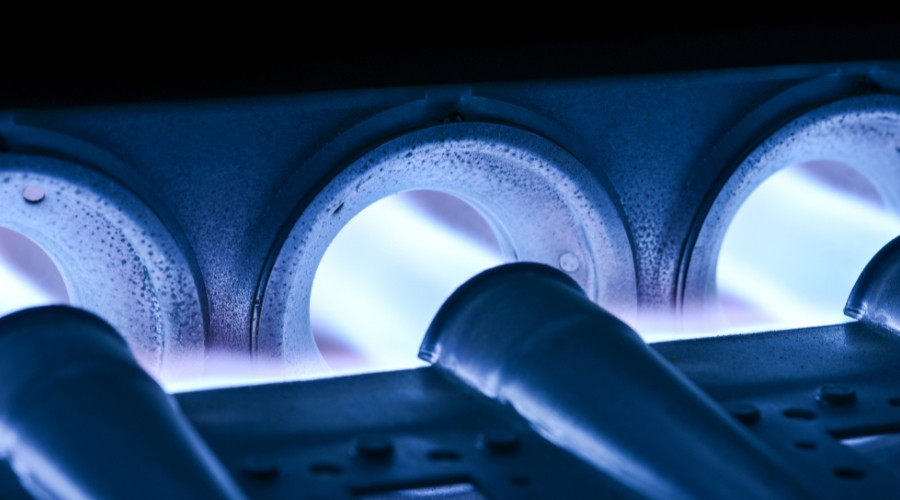
What to Know About a Furnace Overheating
As winter temperatures drop, a home’s furnace becomes a crucial component for comfort, but like any hard-working appliance, it is susceptible to operational issues, including overheating. An overheated furnace is more than just an inconvenience; it can be a significant risk to the unit's longevity and, more importantly, the safety of a household.
So, understanding the dangers, recognizing the signs indicating an overheating furnace and the need for furnace repair, and knowing the simple steps for prevention are important for homeowners. This guide will discuss overheating furnaces, including their risks, warning signs, and tips to help prevent them.
Risks of an Overheating Furnace
When a furnace overheats, the consequences can range from inconvenient and costly to dangerous. Excessive heat puts immense strain on internal components, which can lead to damage to the unit and the need for furnace repair. Key parts like the heat exchanger, blower motor, and control board are particularly vulnerable to thermal stress. Continuous overheating also shortens the lifespan of the furnace, often necessitating an early and expensive furnace replacement much sooner than anticipated.
Beyond damage and the cost of repair or replacement, an overheating furnace poses serious safety risks to the home and its occupants. The elevated temperatures create a fire hazard, as heat can scorch surrounding materials or ignite dust and debris within the unit. Furthermore, thermal stress can cause the heat exchanger to crack, which is extremely dangerous because it allows carbon monoxide to leak into the home's air supply. This makes the risk of carbon monoxide poisoning a severe consequence of ignoring an overheating furnace.
Signs of an Overheating Furnace
 One of the most common and noticeable indicators of an overheating furnace is a burning smell emanating from the furnace or the vents. Additionally, an overheating unit may produce an unusual noise, such as a high-pitched humming, clicking, or grinding sound, indicating strain on the mechanical parts, particularly the blower motor or fan that is struggling to dissipate heat.
Another crucial sign is a disruption in the furnace's normal operation cycle. Instead of completing a full heating cycle, an overheating furnace will often turn off unexpectedly before completing its normal cycle, a process known as short cycling. This abrupt shutdown is triggered by the unit's internal safety limit switch, which detects dangerously high temperatures and shuts off the burner to prevent damage or fire. If the furnace runs for only a short time before cutting out, it is a strong indication that it is overheating and needs inspection.
Ways to Prevent a Furnace From Overheating
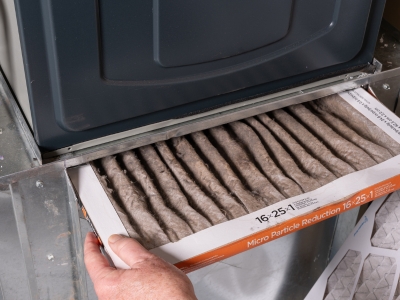 The most effective strategy for preventing furnace overheating is regular, proactive maintenance, starting with routinely changing the furnace filter. A clogged or dirty air filter restricts airflow dramatically, forcing the blower motor to work harder and trapping heat inside the unit, which is the primary cause of overheating. By replacing or cleaning the filter every one to three months, homeowners can ensure proper ventilation and significantly reduce the risk of overheating.
Besides routine furnace filter replacement, another crucial step in preventing overheating is scheduling professional furnace maintenance. Annual check-ups allow experts to clean the internal components, lubricate moving parts, inspect the heat exchanger for cracks, and verify that critical safety controls, such as the limit switch, are functioning correctly. This professional maintenance ensures the furnace operates efficiently, prevents minor issues from escalating into bigger problems, and extends the unit's lifespan.
About A-Plus Air Conditioning & Home Solutions
A-Plus Air Conditioning & Home Solutions is a locally owned and operated company that has been serving the Austin area since 1977. They provide personable, experienced staff, flat-rate pricing, and financing. Call them for furnace repair and maintenance services in Austin, TX.