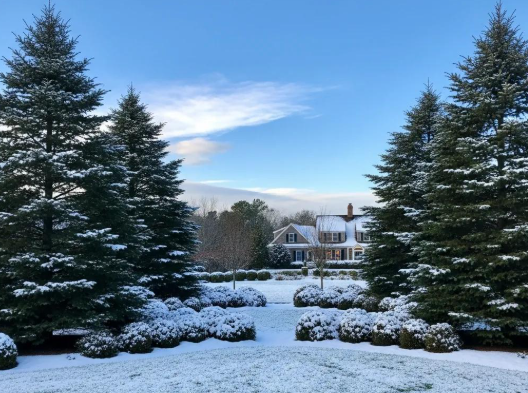
As winter approaches, maintaining your lawn and garden in Coastal Virginia becomes essential to ensure their health and vitality. This comprehensive guide will provide you with a detailed checklist for winter landscape maintenance, focusing on effective strategies to protect your outdoor spaces during the colder months. You will learn about the best practices for preparing your lawn, safeguarding your garden, maintaining hardscapes, and winterizing your irrigation system. By following these steps, you can prevent damage from frost and harsh weather, ensuring your landscape thrives come spring.
How Do I Prepare My Lawn for Winter in Coastal Virginia?
Preparing your lawn for winter is crucial to ensure it remains healthy and vibrant. The winter lawn care practices in Virginia Beach focus on protecting grass from cold temperatures and ensuring it has the nutrients needed to survive. Key steps include proper fertilization, aeration, and overseeding to promote robust growth in the spring.
What Are the Best Winter Lawn Care Practices for Virginia Beach?
In Virginia Beach, the best winter lawn care practices include:
- Fertilization: Applying a winterizer fertilizer helps provide essential nutrients that support root growth during dormancy.
- Aeration: Aerating your lawn allows air, water, and nutrients to penetrate the soil, promoting healthier grass.
- Overseeding: This process involves spreading grass seed over your existing lawn to fill in bare spots and improve density.
These practices ensure your lawn is well-prepared to withstand the winter months and emerge strong in the spring.
When and How Should I Apply Winterizer Fertilizer?
The ideal time to apply winterizer fertilizer is in late fall, typically around early to mid-October through early November in Coastal Virginia. To apply it effectively:
- Choose the Right Fertilizer: Select a fertilizer high in potassium to strengthen roots.
- Spread Evenly: Use a broadcast spreader to ensure even distribution across your lawn.
- Water After Application: Watering helps activate the fertilizer and allows it to penetrate the soil.
By following these steps, you can ensure your lawn receives the nutrients it needs to survive winter and thrive in the warmer months.
It's important to note that improper fertilization can have adverse effects, as highlighted by research on winter injury prevention.
How Can I Protect My Garden and Plants During Coastal Virginia Winters?
Protecting your garden and plants during the winter months is vital to prevent frost damage and ensure their survival. Implementing effective mulching and frost protection techniques can significantly enhance your garden's resilience against harsh winter conditions.
Which Mulching and Frost Protection Techniques Work Best in Newport News and Hampton?
In Newport News and Hampton, effective mulching and frost protection techniques include:
- Organic Mulch: Applying a layer of organic mulch, such as straw or wood chips, helps insulate the soil and retain moisture.
- Frost Cloths: Using frost cloths can protect tender plants from freezing temperatures while allowing light and moisture to reach them.
- Windbreaks: Planting evergreen shrubs or using burlap screens can shield delicate plants from harsh winds.
These techniques will help safeguard your garden against the cold and ensure your plants remain healthy throughout the winter.
The widespread adoption of organic mulch in urban landscapes underscores its effectiveness in protecting plants.
Organic Mulch for Urban Landscape Protection
Organic mulch treatment is a common method applied in landscaping, forestry, and agriculture. Urban environmental modification using mulch can be traced back to United States landscape architecture in the 1980s. Today it is widely used in design of parks, green city areas, and residential communities.
How Do I Use Burlap and Frost Blankets to Shield Tender Plants?
To effectively use burlap and frost blankets for plant protection:
- Wrap Plants: Gently wrap tender plants with burlap, ensuring not to damage the foliage.
- Secure the Material: Use twine or string to secure the burlap in place, preventing it from blowing away.
- Timing: Apply burlap and frost blankets before the first frost to provide adequate protection.
By following these steps, you can effectively shield your plants from winter's harsh conditions.
What Are Essential Winter Maintenance Steps for Hardscapes in Coastal Virginia?
Maintaining hardscapes during winter is essential to prevent damage from ice and snow. Proper cleaning, sealing, and repair techniques can extend the life of your patios, walkways, and other hardscape features.
How Do I Clean, Seal, and Repair Patios and Walkways Before Winter?
To prepare your patios and walkways for winter:
- Clean Thoroughly: Remove debris, leaves, and dirt using a broom or pressure washer to prevent mold and mildew.
- Seal Surfaces: Apply a high-quality sealant to protect against moisture penetration and freeze-thaw cycles.
- Repair Cracks: Fill any cracks or gaps with appropriate filler to prevent water from seeping in and causing further damage.
These steps will help ensure your hardscapes remain in good condition throughout the winter months.
What Are Safe De-Icing Options to Protect Stone and Pavers?
When it comes to de-icing your hardscapes, consider these safe options:
- Calcium Magnesium Acetate: This environmentally friendly option is less harmful to plants and pets.
- Sand: Using sand provides traction without damaging the surface of your stone or pavers.
- Potassium Chloride or Calcium Chloride: These are safer alternatives to rock salt and are less damaging to stone and pavers.
By choosing safe de-icing methods, you can protect your hardscapes from damage while ensuring safety during icy conditions.
How Should I Winterize My Irrigation System in Virginia Beach and Surrounding Areas?
Winterizing your irrigation system is crucial to prevent freezing and damage during the colder months. Proper steps can ensure your system remains functional for the next growing season.
When Is the Best Time to Shut Off and Drain Irrigation Systems?
The best time to shut off and drain your irrigation system is before the first hard freeze, typically in late October to early November in Coastal Virginia. To do this effectively:
- Shut Off the Water Supply: Locate the main shut-off valve and turn it off to prevent water from entering the system.
- Drain the System: Open all valves and drain the water from the pipes to prevent freezing.
- Blow Out the Lines: Use an air compressor to blow out any remaining water in the system.
By following these steps, you can protect your irrigation system from winter damage.
What Tools and Steps Are Needed for Effective Irrigation Blowout?
To perform an effective irrigation blowout, you will need:
- Air Compressor: A high-capacity air compressor is essential for blowing out the lines.
- Blowout Adapter: This tool connects the compressor to your irrigation system.
- Safety Gear: Wear safety goggles and ear protection during the blowout process.
The steps include:
- Connect the Compressor: Attach the blowout adapter to the mainline.
- Turn on the Compressor: Gradually increase the pressure to avoid damaging the system.
- Monitor the Process: Ensure all zones are cleared of water before shutting off the compressor.
By using the right tools and following these steps, you can effectively winterize your irrigation system and prevent costly repairs in the spring.
- Lawn fertilization: Apply a winterizer fertilizer in late fall, typically from October to early November, to strengthen grass roots before cold weather sets in.
- Garden protection: Add mulch and cover plants with frost cloths before the first frost to insulate soil and protect sensitive vegetation.
- Hardscape maintenance: Clean and seal patios, walkways, and other hard surfaces before winter to prevent moisture damage and cracking.
- Irrigation winterization: Shut off the water supply and fully drain the irrigation system before the first freeze to avoid pipe damage.