
Longmont Braces Highlights Importance of Early Orthodontic Evaluations for Children
LONGMONT, CO - March 12, 2026 - PRESSADVANTAGE -
Longmont Braces emphasizes the critical role that early orthodontic evaluations play in identifying and addressing developing dental issues before they become more complex. The practice recommends that children receive their first orthodontic assessment by age seven, aligning with guidelines from the American Association of Orthodontists.
Early orthodontic evaluations serve as a preventive measure that can significantly impact a child's long-term oral health. During these assessments, orthodontists examine jaw growth patterns, tooth eruption sequences, and potential spacing issues that may not be immediately apparent to parents or general dentists. By identifying concerns at an early stage, orthodontists can create monitoring plans that track dental development and determine the optimal timing for any necessary interventions.
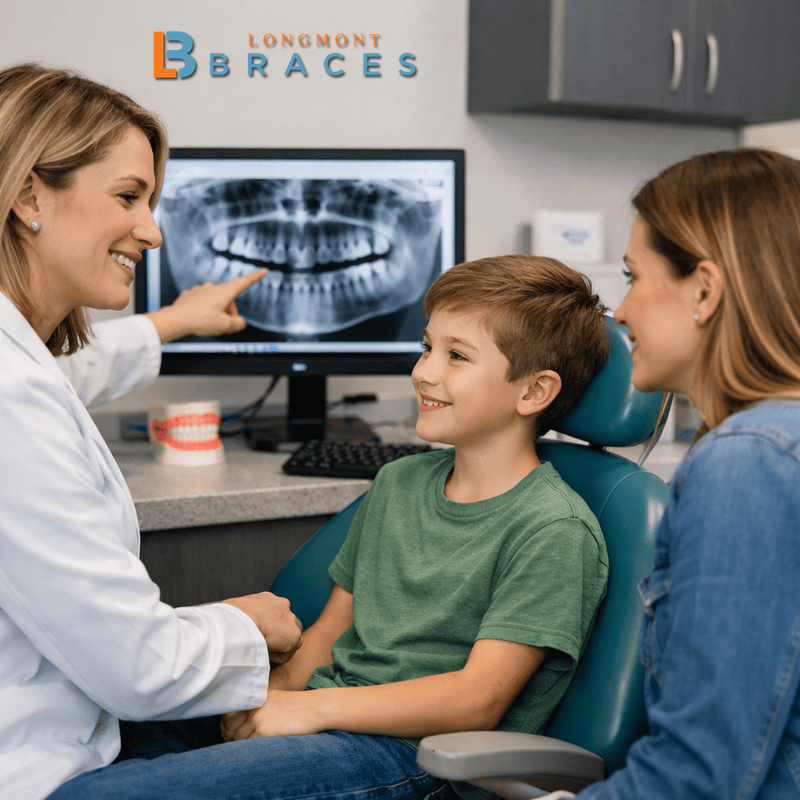
The benefits of early evaluation extend beyond immediate treatment needs. Even when active treatment is not immediately required, establishing a baseline assessment allows orthodontists to observe changes over time and intervene at the most advantageous moment in a child's development. This proactive approach can often reduce the complexity and duration of future treatment, potentially eliminating the need for more invasive procedures later in adolescence or adulthood.
"Early orthodontic evaluations provide invaluable orthodontic care information that helps us develop individualized treatment strategies for each young patient," said Dr. Stephanie Ross, orthodontist at Longmont Braces. "By assessing children during their developmental years, we can identify issues such as crossbites, severe crowding, or jaw discrepancies that benefit from early intervention. This approach allows us to guide facial growth and create space for permanent teeth, often simplifying or even eliminating the need for comprehensive treatment later."
Common issues identified during early evaluations include thumb-sucking habits that affect jaw development, early or late loss of baby teeth, difficulty chewing or biting, mouth breathing, and jaw shifting or sounds. Orthodontists can also detect subtle problems with jaw growth and emerging teeth that may lead to more serious conditions if left untreated.
Parents often assume that orthodontic treatment should wait until all permanent teeth have emerged. However, certain conditions benefit from interceptive treatment during the mixed dentition phase when both baby and permanent teeth are present. This phase-one treatment can address specific issues while taking advantage of a child's natural growth processes.
The evaluation process itself is straightforward and non-invasive, typically involving visual examination, digital imaging, and discussion of the child's dental history. These assessments provide parents with comprehensive information about their child's orthodontic needs and potential treatment timelines, enabling informed decision-making about their child's oral health care.
Longmont Braces, led by Dr. Stephanie Ross and Dr. Aden Peterson, provides comprehensive orthodontic services for patients throughout the Longmont, Colorado area. The practice offers various treatment options including traditional braces, clear aligners, and specialized orthodontic interventions tailored to each patient's unique needs. With a focus on individualized care planning, the practice serves both pediatric and adult patients seeking to improve their oral health and smile aesthetics.
###
For more information about Longmont Braces, contact the company here:
Longmont Braces
Stephanie Ross
303-772-0510
[email protected]
1266 S. Hover St, Longmont, CO 80501
Information contained on this page is provided by an independent third-party content provider. XPRMedia and this Site make no warranties or representations in connection therewith. If you are affiliated with this page and would like it removed please contact [email protected]
